

Want to get the latest news and updates from REEF? Then be sure to check our the REEF Facebook Page. You don't have to be on Facebook to view the page, anyone can look at the content. If you do have a Facebook profile, be sure to "like" us so that all of the latest information about REEF's programs and events, our marine conservation work, and exclusive content and stories will go straight to your feed.
Current search
Search found 451 items
- INVASIVE
REEF's Invasive Species Program shows citizens how they can get involved in reducing lionfish populations.
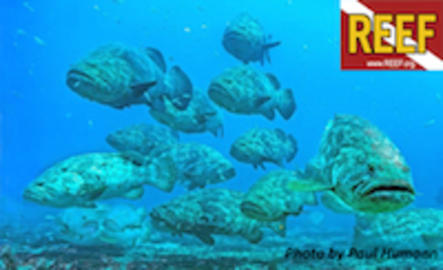
Thank you to everyone who supported REEF during our annual fundraising campaign! With your help, we raised enough to continue our critical marine conservation programs in 2015. These programs make a huge IMPACT worldwide and protect iconic species, such as Goliath Grouper, Nassau Grouper, manta and mobula rays, parrotfish, and rockfish. REEF also protects ocean habitats through addressing invasive species like the Indo-pacific Red lionfish.
Join Portofino Diver Academy for their first annual Lionfish Hunt in partnership with REEF Environmental Education Foundation!
The Lionfish is an invasive species that is decimating native fish in Florida waters. Join us on December 11, 2016 for a special workshop, hunting dive and a delicious lionfish cookout.
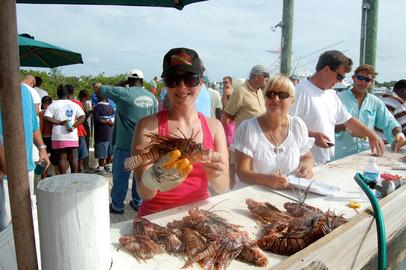
Divers and snorkelers in Florida will once again sharpen their spears and hone their lionfish hunting skills to compete in the annual REEF Lionfish Derby Series presented by Whole Foods Market®. This summer marks 10 years of lionfish derbies, and will feature an exclusive partnership between REEF and Whole Foods Market for six derby events around the state. Whole Foods Market introduced lionfish to all Florida stores in April 2016, which is perfect for those who want a delicious, nutritious, and eco-conscious choice.
Lad Akins, a longstanding REEF staff member, who most recently served as Director of Special Projects, is no longer with REEF. Lad was instrumental in establishing REEF as an organization, was REEF’s first Executive Director, and spearheaded work on controlling invasive lionfish in the western Atlantic. The tremendous impact he has had in marine conservation through REEF’s projects leaves a lasting legacy. We wish Lad the best in his future endeavors.
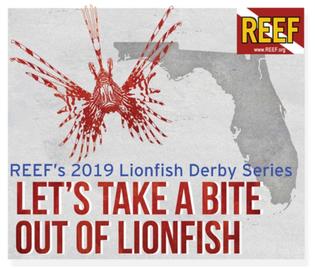
Since 2010, more than 45,000 invasive lionfish have been removed through REEF Lionfish Derbies. We are excited to announce that the following dates and locations have been set for REEF’s 2019 Summer Lionfish Derby Series:
• June 28 – 30: 8th Annual Fort Lauderdale Lionfish Derby at 15th Street Fisheries
• July 12 – 14: 6th Annual Sarasota Lionfish Derby at Mote Marine Laboratory and Aquarium
• Sept.13 – 15: 10th Annual Upper Keys Lionfish Derby and Festival at Postcard Inn Resort and Marina
This past month the Marine Conservation
Interns as a team successfully planned and
executed a Lionfish Jewelry Workshop.
Twenty members of the local community
attended this event to learn about invasive
lionfish and had the opportunity to create
earrings and necklaces out of their fins.
Attendees received all of the materials
necessary to create the jewelry, were
presented with a short demonstration and
then given creative freedom. The final
products were all original and beautiful! The
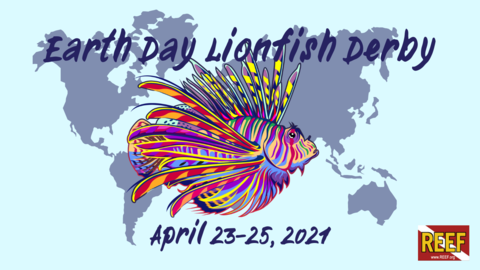
Calling all lionfish hunters! The 2021 REEF Lionfish Derby Series will kick off with the 8th Annual "Locals" Lionfish Derby on April 23-25 in Key Largo. This Earth Day Lionfish Derby will allow participants to practice social distancing while encouraging the removal of invasive lionfish from Florida Keys waters.

REEF is proud to share that a generous grant from United Way of Collier and the Keys made it possible for free bus transportation for 300 students from Key Largo School to visit the REEF Ocean Exploration Center for hands-on educational field trips as part of REEF's Ocean For All program. Check out this highlight film!