

This past month the Marine Conservation
Interns as a team successfully planned and
executed a Lionfish Jewelry Workshop.
Twenty members of the local community
attended this event to learn about invasive
lionfish and had the opportunity to create
earrings and necklaces out of their fins.
Attendees received all of the materials
necessary to create the jewelry, were
presented with a short demonstration and
then given creative freedom. The final
products were all original and beautiful! The
Current search
Search found 451 items
- INVASIVE
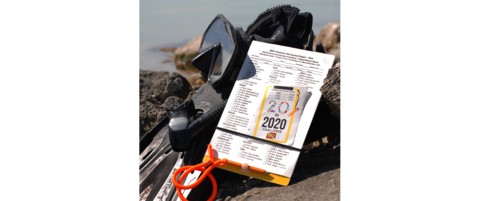
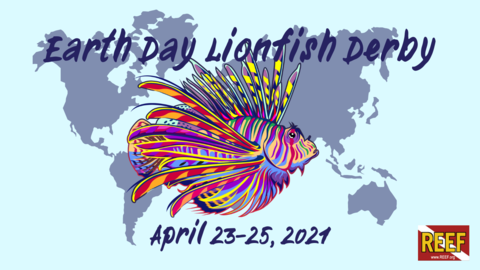
Calling all lionfish hunters! The 2021 REEF Lionfish Derby Series will kick off with the 8th Annual "Locals" Lionfish Derby on April 23-25 in Key Largo. This Earth Day Lionfish Derby will allow participants to practice social distancing while encouraging the removal of invasive lionfish from Florida Keys waters.
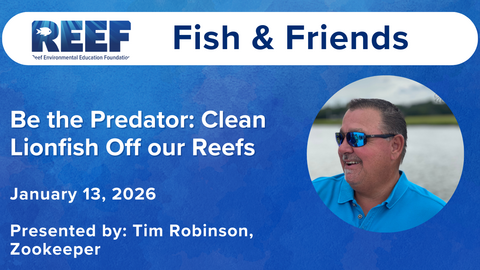
Tim Robinson has taken on the mighty mission of tackling the invasive lionfish crisis. But that’s not all – Tim is a lifelong entrepreneur with deep roots in philanthropic endeavors. In 2021, Tim made a bold leap and snatched up ZooKeeper, transforming it from a humble, one-color, garage-built startup into a global contender in the hunting and ocean conservation arena. For the past several years, Tim has been a vibrant force, creating challenges and paving paths for others.
Summer is here! Throughout REEF survey regions – coastal Americas, the tropical eastern Pacific and the Caribbean and Hawaiian Islands - volunteers are diving into the Great Annual Fish Count, discovering the “wild and wooly” side of St. Vincent, helping understand the impacts of exotic invasive lionfish, and experiencing life and loss on Bonaire’s coral reefs.
$1,184 -- Package Includes: 7 nights in Junior Suite room at the Comfort Suites Turks & Caicos, resort taxes, fees and gratuities, daily continental breakfast, and 6 days of 2-tank boat dives with Dive Provo. Please inquire for single occupancy and non-diver rates.
Please contact Doris Pfister at Caradonna to find out more and to book your space on this trip -- 1-877-295-7333 (REEF), REEF@caradonna.com
Package Includes Seven nights on board the Sun Dancer II, all meals and beverages (including well brands of alcohol and Belikin beer), transfers from/to Belize International Airport, five and ½ days of diving up to five dives per day, other standard Dancer Fleet services and amenities.
$1895 pp (deluxe cabin, 10 available) or $2095 pp (master cabin, 4 available), + $95 port fee and $15 recompression chamber fee
+ $250 REEF Program Fee per diver will be added to each package to cover the cost of the group leader, seminar and survey materials, and data management.
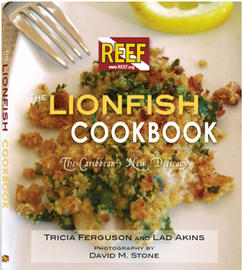
REEF announces the release of "The Lionfish Cookbook", available for $16.95 online at http://www.reef.org/catalog/cookbook. The book is a unique blend of 45 tantalizing recipes, background on the lionfish invasion and its impacts, as well as information on how to safely catch handle and prepare the fish. Invasive lionfish are a new threat to western Atlantic, Caribbean and Gulf of Mexico waters.
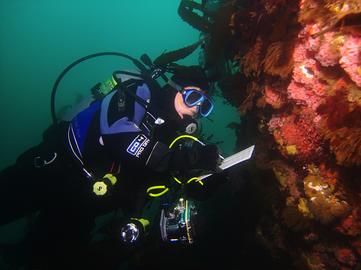
Every month, scientists, government agencies, and other groups request raw data from REEF’s Fish Survey Project database. Here is a sampling of who has asked for REEF data recently and what they are using it for:
- NOAA scientists from the Protected Resources Division are using data on three species of endangered rockfish to evaluate their status in the Salish Sea.
-University of Washington scientists are using REEF data on invasive tunicates to map distribution of the species throughout the Pacific Northwest.
A Humpback Grouper was recently captured off the Florida Keys. REEF's Lad Akins positively identifies the exotic fish, and encourages vigilant monitoring to prevent another invasive species.